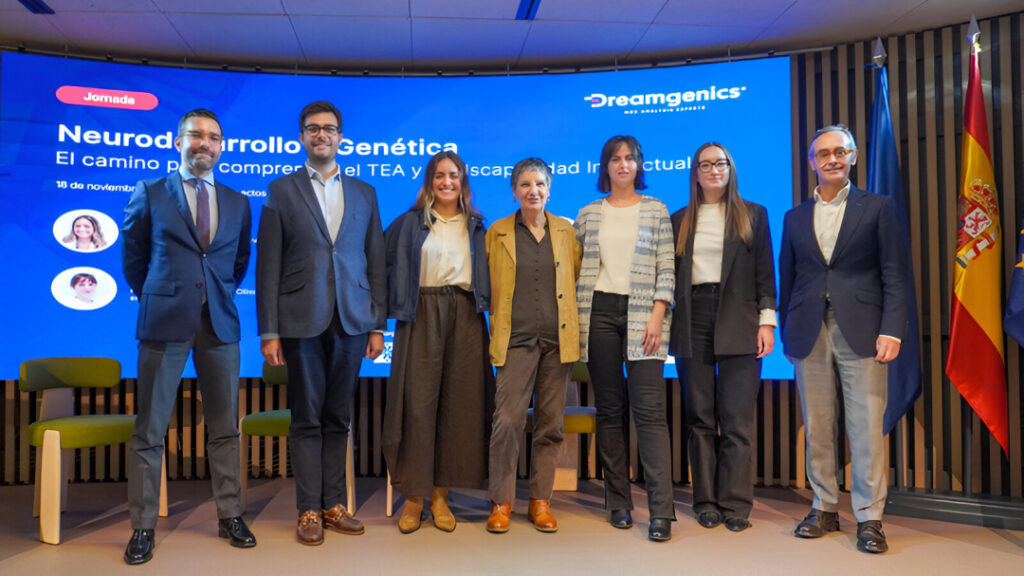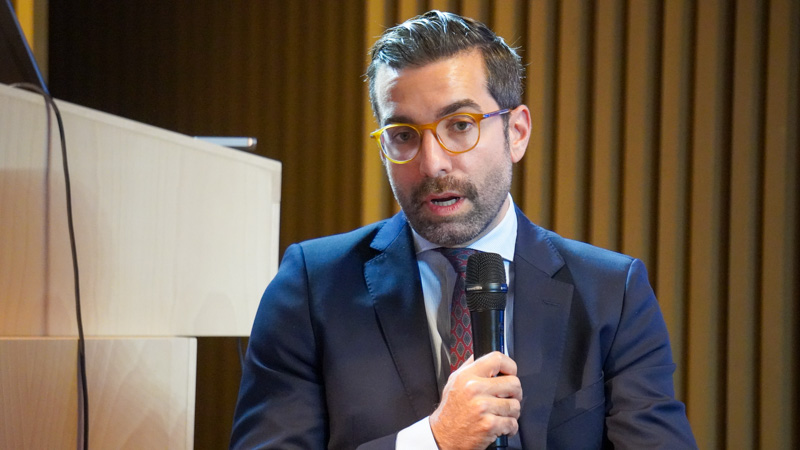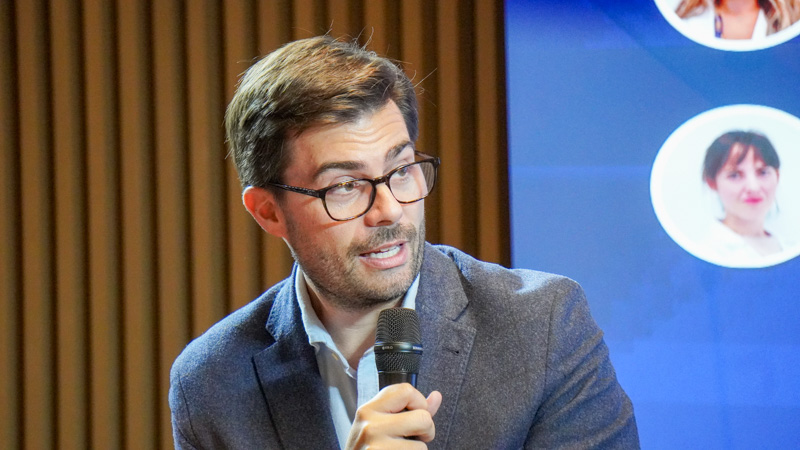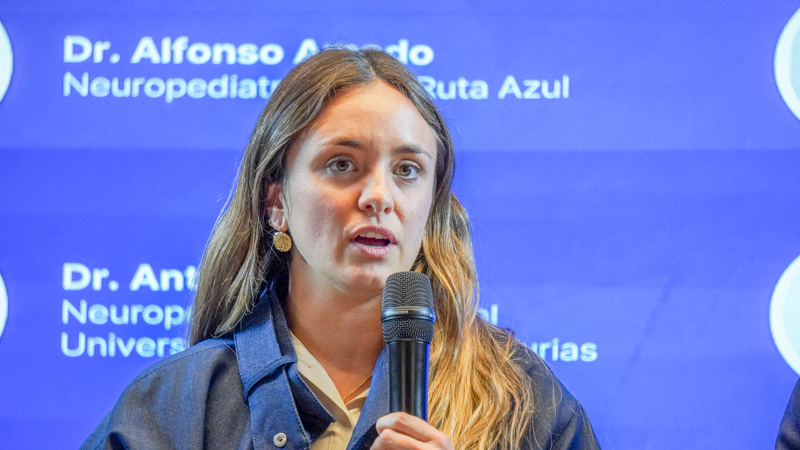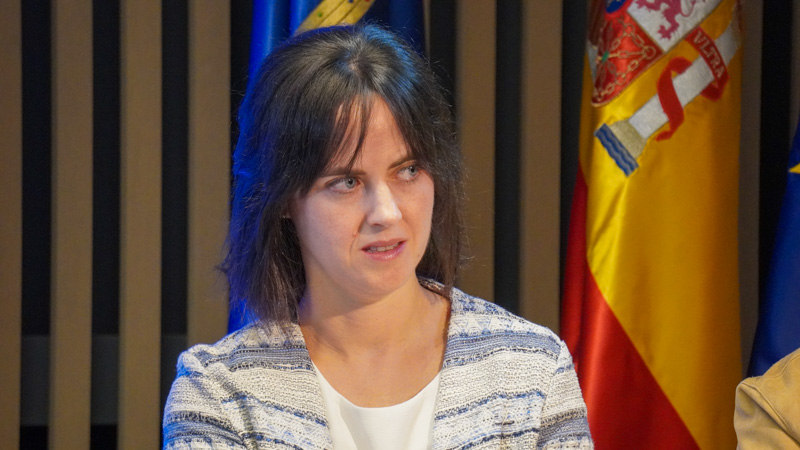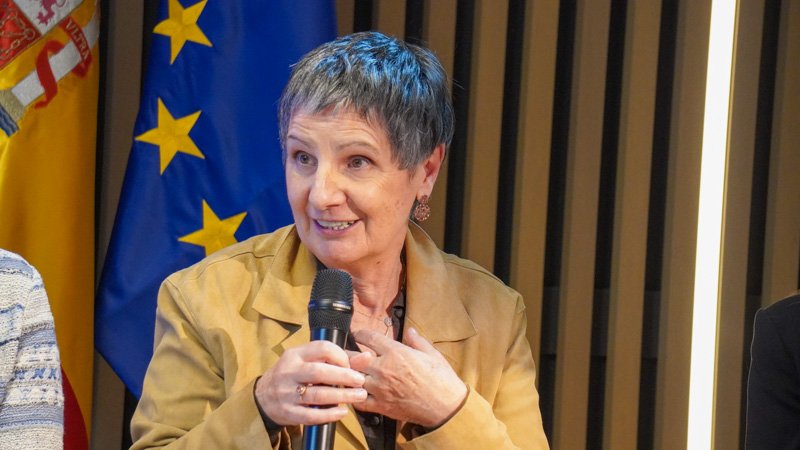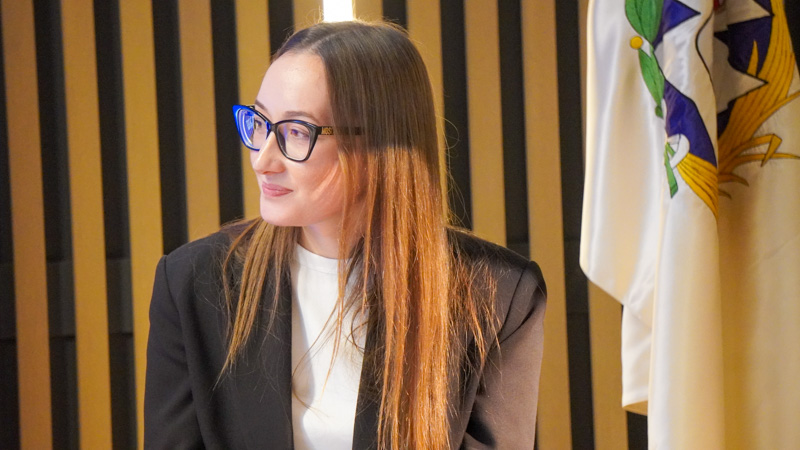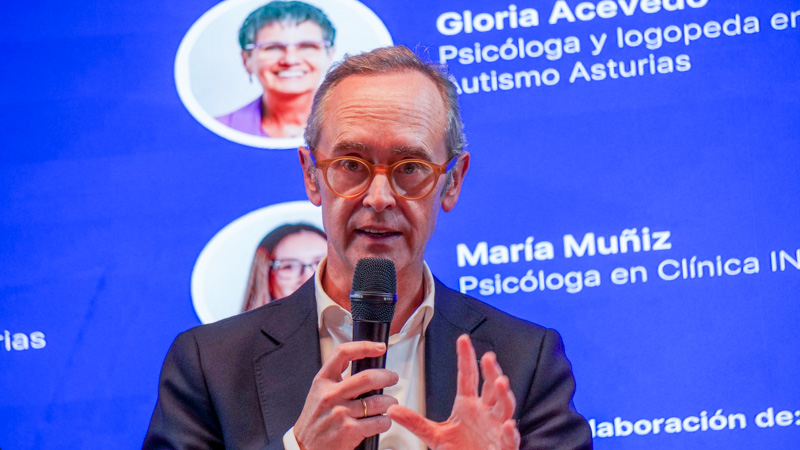
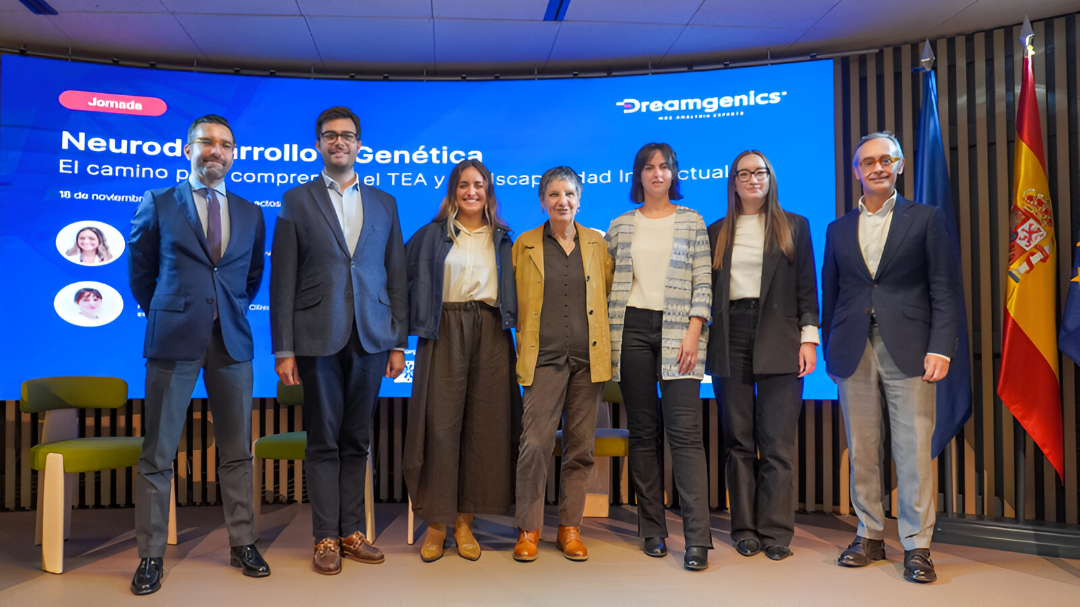
Last Tuesday, we had the opportunity to hold our conference titled “Neurodevelopment and Genetics: The Path to Understanding ASD and Intellectual Disabilities” at the Asturias College of Nursing, an event that was particularly enriching and meaningful for our entire team. This session allowed us to delve deeper into key issues regarding neurodevelopmental disorders, as well as the fundamental role that genetics plays in understanding and addressing Autism Spectrum Disorder (ASD) and Intellectual Disabilities.
We would like to express our deepest gratitude to all the speakers who participated in this conference and who, with great generosity, shared their knowledge and experience. We would especially like to thank Dr. Alfonso Amado Puentes, from La Ruta Azul, for providing such a clear perspective on the importance of specialized support; to Dr. Antonio Hedrera Fernández, a pediatric neurologist at the Central University Hospital of Asturias (HUCA), for his valuable clinical perspective; to Gloria Acevedo Díaz, representative of the ADANSI Autism Asturias Association, for bringing us closer to the reality of families and the needs of this community; and to María Muñiz Fernández, from the INYPEMA Clinic, for contributing her practical and compassionate approach. Alongside them, our geneticists Leyre Larzabal and Carmen Armada Sánchez played an essential role in explaining, with clarity and sensitivity, the relevance of genetics in the diagnosis and intervention for these two conditions. Thanks to their joint involvement, we were able to address the content with scientific rigor, sensitivity, and a truly multidisciplinary approach.
Our thanks also go to the Asturias College of Nursing and, in particular, to its president, Esteban Gómez, who made its magnificent facilities available to us, facilitating the organization and conduct of the conference at every turn. We would also like to highlight the work of Antonio Blanco Prieto, Director of the Alimerka Foundation, who agreed to moderate the roundtable and skillfully guided the discussion with professionalism, warmth, and a keen ability to synthesize ideas.
Of course, we mustn’t forget all the attendees. Their interest, attention, and active participation were key to creating an atmosphere of open and constructive dialogue. The questions, comments, and insights they shared greatly enriched the session and allowed us to explore essential issues in greater depth from different perspectives.
We hope that this event has helped provide a clearer, more humane, and more inclusive perspective on the role of genetics in neurodevelopmental disorders, and has underscored the importance of treating individuals with ASD and intellectual disabilities with empathy.