
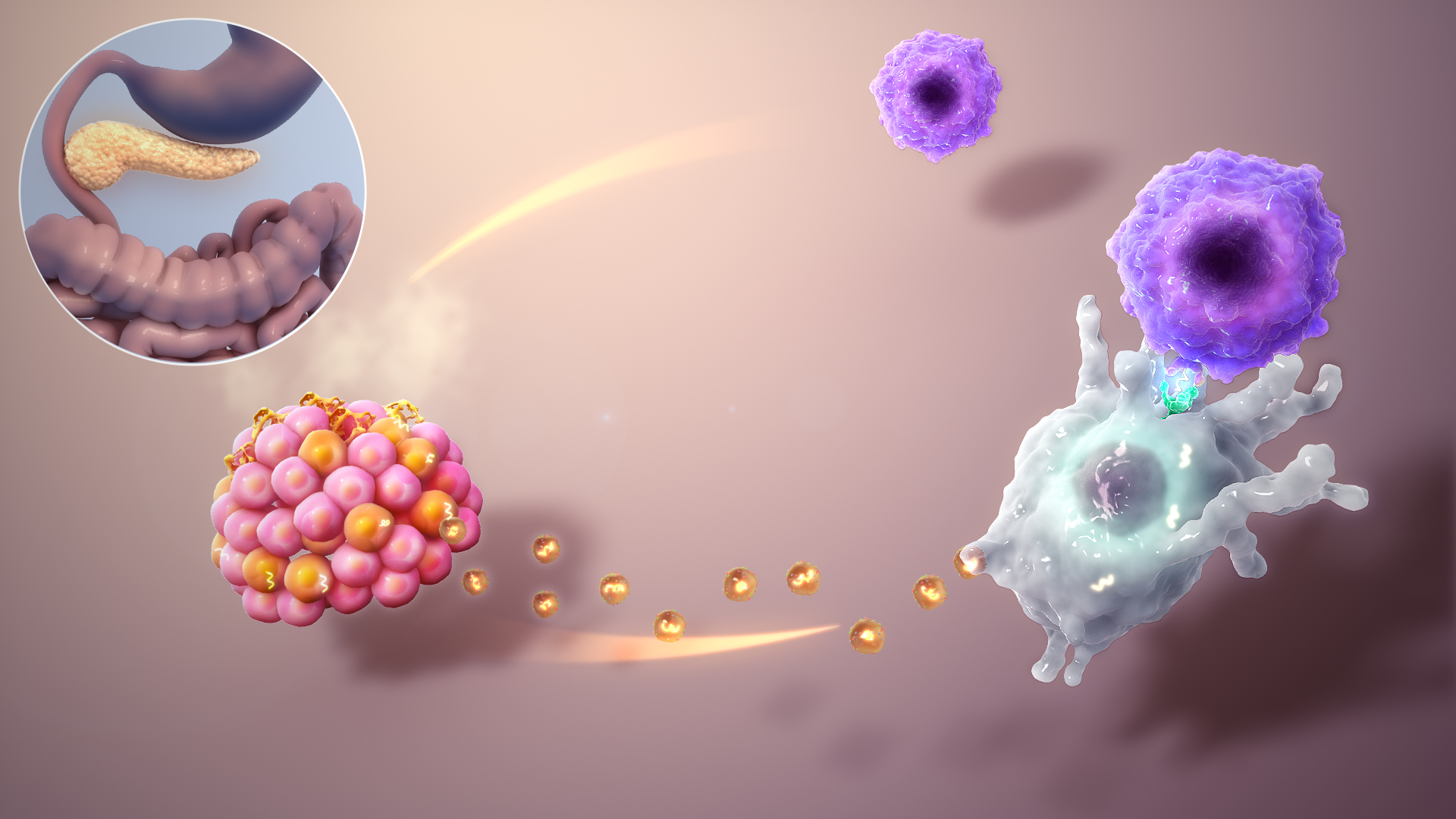
Diabetes mellitus (DM) is a group of metabolic disorders characterized by elevated blood glucose levels (hyperglycemia) resulting from an abnormality in insulin production, in insulin’s action on tissues, or in both processes. It is a complex condition whose onset is determined by the interaction of genetic and environmental factors, although the contribution of each varies depending on the type of diabetes.
From a genetic perspective, diabetes can be classified into two broad groups: polygenic diabetes and monogenic diabetes.
Polygenic diabetes is the most common form and results from a combination of multiple genetic variants along with environmental and lifestyle factors. This group includes type 1 diabetes, an autoimmune disease characterized by the destruction of insulin-producing pancreatic β-cells, and type 2 diabetes, which accounts for about 90% of cases in adults and is primarily associated with reduced insulin sensitivity and/or insufficient insulin production.
On the other hand, monogenic diabetes is a less common form of the disease caused by pathogenic variants in a single gene. Although it accounts for a small percentage of all diabetes cases, its identification is of great clinical importance, as it can influence diagnosis, prognosis, treatment, and family genetic counseling.
To date, more than 30 genes involved in various types of monogenic diabetes have been identified. Mutations in these genes can affect key processes related to insulin synthesis, secretion, or function. This group includes monogenic diabetes with onset in adolescence or young adulthood (MODY), monogenic neonatal diabetes, and various forms of diabetes associated with complex genetic syndromes.
It is essential to distinguish between polygenic and monogenic diabetes, as an accurate genetic diagnosis can lead to a better classification of the disease and, in some cases, guide the selection of more appropriate treatment strategies for each patient.
Genes associated with different types of diabetes
Polygenic diabetes
The susceptibility genes for type 1 diabetes are those of the major histocompatibility complex (MHC), in particular HLA-DR3,DQB1*0201 and HLA-DR4,DQB1*0302, which are found in > 90% of patients with type 1 DM. These susceptibility genes are more prevalent in some populations than in others, which explains the higher prevalence of type 1 diabetes in certain ethnic groups. Non-HLA genes such as INS, CTL4, PTPN22, PTPN22, IL2RA and IFIH1 contribute much less to the development of type 1 DM. Furthermore, the lack of knowledge about the involvement of these genes in the onset and development of the disease limits their clinical utility.
The pathogenesis of type 2 diabetes is complex and poorly understood. At the same time, complex inheritance patterns and the influence of environmental factors on gene expression make identification of the genes involved a difficult task. To date, a limited number of polymorphisms in the PPARG and KNCJ11 genes have been found to be associated with the development of the disease. On the other hand, GWAS (Genome-wide Association Study) studies have identified more than 80 susceptibility loci for the development of type 2 diabetes.
Monogenic diabetes
MODY type diabetes represents a clinically heterogeneous group of autosomal dominant disorders caused by mutations in genes involved in both pancreatic β-cell development and insulin secretion. Approximately 90% of MODY type diabetes in Caucasian ethnicity is caused by pathogenic variants in the GCK, HNF1A and HNF4A genes . Heterozygous inactivating mutations in the GCK gene (MODY 2) cause dysregulation of insulin secretion leading to mild hyperglycemia that does not cause complications or require treatment. Pathogenic variants in heterozygosity of the HNF1A gene (MODY 3) cause a reduction in insulin secretion and account for 30-60% of monogenic diabetes. Pathogenic heterozygous variants in the HNF4A gene (MODY 1) are less common, resulting in a clinical picture similar to that of patients with mutations in the HNF1A gene.
In monogenic neonatal diabetes the onset of the disease occurs before six months of life. Approximately 60% of cases are due to pathogenic variants in the ABCC8 or KCNJ11 genes, while involvement of other genes such as PTF1A is much less common and is associated with syndromic cases.
Finally, there are more than 80 different genetic syndromes associated with glucose intolerance and in some cases with clinical diabetes. The pathogenic mechanisms behind these syndromes are very varied and include absolute insulin deficiency due to degeneration of the pancreas (e.g. relapsing hereditary pancreatitis, cystic fibrosis, polyendocrine deficiency syndromes etc.), relative insulin deficiency, inhibition of insulin secretion (e.g. hereditary pheochromocytoma, syndromes associated with elevated catecholamines, etc.), deficits in the interaction of insulin with its receptor (e.g. myotonic dystrophy, lipoatrophic syndromes, etc.) and relative insulin resistance, as occurs in hereditary syndromes associated with obesity.
Benefits of genetic screening
Monogenic diabetes typically presents with a wide range of clinical manifestations and, in many cases, shares characteristics with type 1 or type 2 diabetes. As a result, it is estimated that a significant proportion of patients remain undiagnosed or are misclassified, which can affect the choice of the most appropriate treatment.
In this context, genetic studies are an essential tool for identifying the pathogenic variants responsible for the various types of monogenic diabetes and establishing an accurate diagnosis. Proper genetic characterization not only confirms the diagnosis but can also provide relevant information for prognosis, clinical follow-up, and the selection of the most appropriate treatment strategy for each patient.
Genetic studies are a key tool for identifying the pathogenic variants responsible for the various types of diabetes.
The introduction of next-generation sequencing (NGS) technologies has transformed the genetic diagnosis of these diseases, making it possible to analyze multiple genes associated with diabetes simultaneously—quickly, accurately, and with increasing accessibility. Currently, there are specific genetic panels designed based on evidence available in international reference databases and resources, such as OMIM, Orphanet, ClinVar, and GeneReviews, which facilitate the identification of clinically relevant variants.
However, given the genetic complexity of diabetes and the heterogeneity of its clinical manifestations, the results must always be interpreted in the context of a comprehensive clinical evaluation. Therefore, prior genetic counseling is essential to assess the family history, the patient’s clinical characteristics, and the appropriateness of genetic testing, as well as to select the most appropriate diagnostic strategy for each case.
As our understanding of the genes involved in diabetes and the biological mechanisms underlying its development grows, it will be possible to improve diagnostic accuracy and move toward more personalized medicine. Identifying the genetic variants responsible for the disease will help optimize the clinical management of patients and develop therapeutic strategies that are increasingly tailored to each person’s individual characteristics.
BIBLIOGRAPHY
- Caswell, R., Patel, K. A., & Ellard, S. (2024). Monogenic diabetes: from genetic diagnosis to precision treatment. Nature Reviews Endocrinology, 20(4), 219–234.
- Misra, S., Owen, K. R., & Ellard, S. (2024). Genetics of Monogenic Diabetes: Current Clinical Applications and Future Directions. The Lancet Diabetes & Endocrinology, 12(3), 185–198.
- Delvecchio, M., Mozzillo, E., Salzano, G., Iafusco, D., & Frontino, G. (2023). Monogenic Diabetes: Diagnostic Challenges and the Role of Next-Generation Sequencing. Frontiers in Endocrinology, 14, 1186248.
- Naylor, R. N., Greeley, S. A. W., Bell, G. I., & Philipson, L. H. (2023). Monogenic Diabetes in the Era of Precision Medicine. Endocrine Reviews, 44(5), 787–815.
Are you interested in undergoing genetic testing?
Learn about our genetic studies focused on diseases that affect pancreatic function and glucose metabolism.